TypeSafe AI's Jev drops LLMs for calibrated decisions
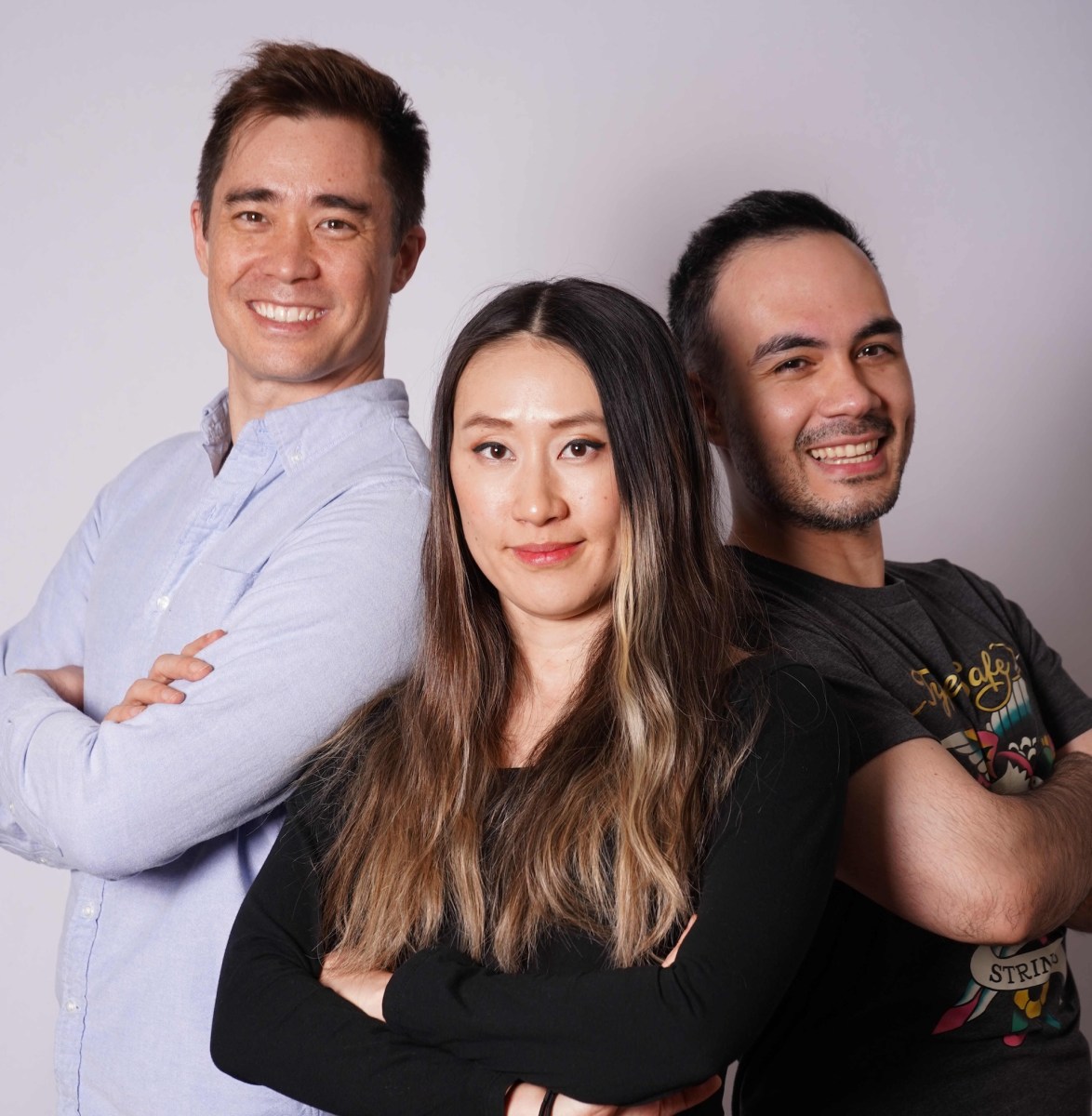
Founded by ex-OpenAI RLHF inventor Diogo Almeida, Jev outputs probabilities, not text.
TypeSafe AI, founded by ex-OpenAI researcher Diogo Almeida, released Jev this week. The model is not an LLM. It outputs calibrated probabilities, not language. Input tokens are metered by the billion, not the million. Output tokens are free.
Almeida helped build ChatGPT and co-invented RLHF, the training technique behind modern AI. He left OpenAI two years ago convinced the field had the wrong target. His argument, as reported by TechCrunch: optimizing for human language fails automation because computers speak a different language. Jev sidesteps that by requiring users to define outputs in advance, which eliminates hallucination by design.
Watch whether enterprise automation buyers treat Jev as a cheaper decision layer beneath their existing LLM stack. The pricing model alone, free output tokens, resets the cost conversation for high-volume classification and routing tasks. The signal is not the launch. The signal is whether operators replace judgment calls with Jev's probabilities.
Analysis
LLMs sell capability. Jev sells a guaranteed output shape. The buyer who pays per decision, not per token of prose, is a different buyer entirely.
Research this with your AI
Copy the research prompt into your AI assistant to see how this story affects you.
Show the prompt
I just read this AI news story and want to understand it in my own context.

Title: TypeSafe AI's Jev drops LLMs for calibrated decisions
Summary: TypeSafe AI released Jev, a transformer model that produces probabilities instead of text. Output tokens are free; input is metered by the billion, making it cheaper and faster than standard LLMs.
Category: Models
Source: TechCrunch, https://techcrunch.com/2026/09/18/a-new-kind-of-ai-model-from-a-chatgpt-inventor-is-thrilling-developers/

Using my own history and context, help me understand:
1. What is the core development and why does it matter?
2. Who are the major players involved and what are their motivations?
3. How does this fit into the broader AI landscape right now?
4. How does this apply to my own work, and what should I do or watch next?

Be specific and plain spoken.
Newsletter
The day's AI stories, with the editor's take, in one email.
Free. Unsubscribe in one click.