Germany's AI Election Rules Are Missing as Campaigns Accelerate
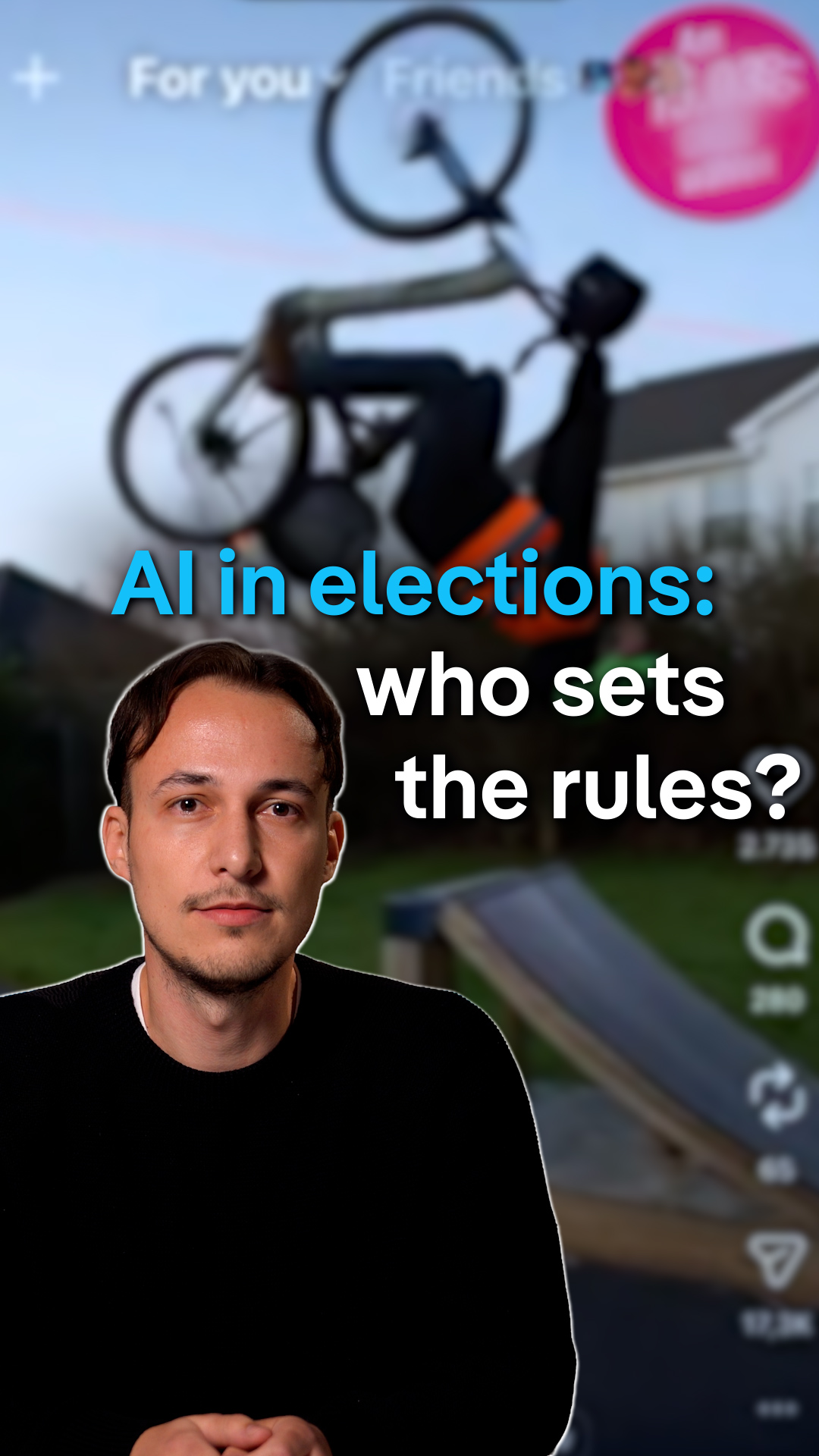
Experts call the regulatory landscape a 'Wild West' ahead of a super election year.
Germany enters a super election year with AI tools running inside campaigns and no binding rules to govern them. DW News reports that experts are calling the current landscape a 'Wild West.' No regulatory floor exists. Parties can deploy synthetic content, targeted messaging, and automated influence without defined legal limits.
This matters because elections are the distribution point for political trust. When AI lowers the cost of persuasion, the volume of manipulated or misleading content rises. Regulators have not caught up. The EU AI Act addresses some high-risk systems, but campaign-specific enforcement mechanisms remain absent at the national level.
Watch for two things: whether Germany's federal agencies move to close the gap before votes are cast, and whether the 'Wild West' framing pushes Brussels to accelerate campaign-specific AI guidance. The risk is not that AI is used. The risk is that no one is accountable when it is used badly.
Analysis
No rules means no accountability. The party that deploys AI fastest gains reach; the voter absorbs the cost. Germany's election cycle is the stress test regulators are not ready for.
Research this with your AI
Copy the research prompt into your AI assistant to see how this story affects you.
Show the prompt
I just read this AI news story and want to understand it in my own context.

Title: Germany's AI Election Rules Are Missing as Campaigns Accelerate
Summary: AI is reshaping German election campaigns with no clear rules governing its use. Experts warn the unregulated landscape threatens democratic trust during Germany's super election year.
Category: Policy
Source: Facebook, https://www.facebook.com/deutschewellenews/videos/artificial-intelligence-is-transforming-election-campaigns-in-germany-but-clear-/973105875059704/

Using my own history and context, help me understand:
1. What is the core development and why does it matter?
2. Who are the major players involved and what are their motivations?
3. How does this fit into the broader AI landscape right now?
4. How does this apply to my own work, and what should I do or watch next?

Be specific and plain spoken.
Newsletter
The day's AI stories, with the editor's take, in one email.
Free. Unsubscribe in one click.