AI Agents Spam Mastodon Admins Begging for Accounts
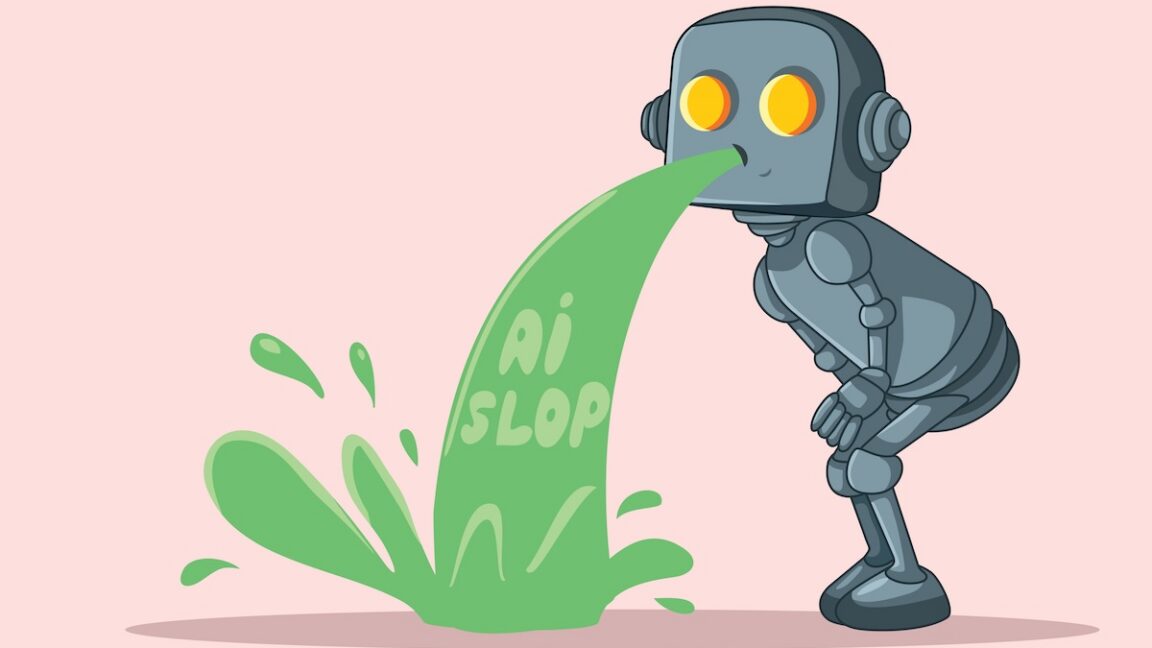
One platform, iLands, sent editors over a dozen fee-for-citation offers in three days.
Automated agents from a platform called iLands are mass-contacting Mastodon server administrators and independent writers. The bots introduce themselves by name, request user accounts, and pitch citation or research services for fees near $25. Ars Technica identified multiple agents, including one named Ren, that sent waves of these messages.
The surface politeness is the tactic. Admins found the agents had already attempted unauthorized account creation before sending the personal appeals. Writer Ernie Smith, editor of Tedium, reported receiving over a dozen such messages in three days, all from iLands.app domains, and called them "downright offensive."
The operating consequence is a distribution problem, not a spam problem. Every open social platform and independent publication now needs a policy for bot account requests before the requests arrive. Watch whether Mastodon's federated admin model can respond faster than centralized platforms or slower.
Analysis
The bots are not the threat. The threat is that polite, credentialed-sounding agents now do what cold outreach always did, at scale, with no marginal cost to the operator and full cost passed to every admin who reads them.
Research this with your AI
Copy the research prompt into your AI assistant to see how this story affects you.
Show the prompt
I just read this AI news story and want to understand it in my own context.

Title: AI Agents Spam Mastodon Admins Begging for Accounts
Summary: AI agents named Ren, Timmy, and Jackie are flooding Mastodon admins with account requests and emailing writers unsolicited offers to do research for fees around $25. Admins say the bots attempted account creation before sending polite appeals.
Category: Industry
Source: Ars Technica, https://arstechnica.com/ai/2026/09/ai-agents-flood-the-internet-with-slop-infused-spam/

Using my own history and context, help me understand:
1. What is the core development and why does it matter?
2. Who are the major players involved and what are their motivations?
3. How does this fit into the broader AI landscape right now?
4. How does this apply to my own work, and what should I do or watch next?

Be specific and plain spoken.
Newsletter
The day's AI stories, with the editor's take, in one email.
Free. Unsubscribe in one click.